

Remote Interior Design in Portugal: How the Process Works

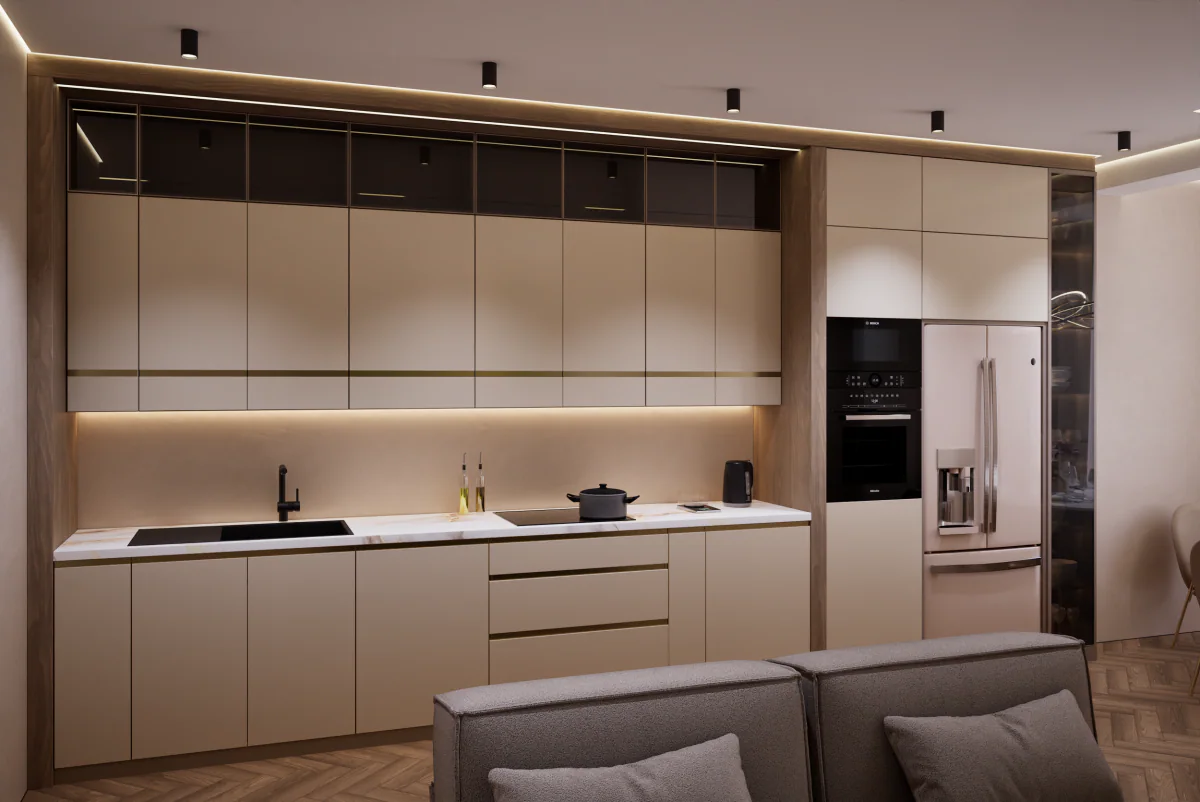
You can take part in designing your home in Portugal while living in another country. Reliable measurements, defined stages and written approvals make the process workable. Remote work still needs checks at the property: agree who will provide them.
Decide whether you need an interior design project or also home furnishing and purchasing support. A project defines the proposed solutions; orders, deliveries and assembly require their own agreed scope.
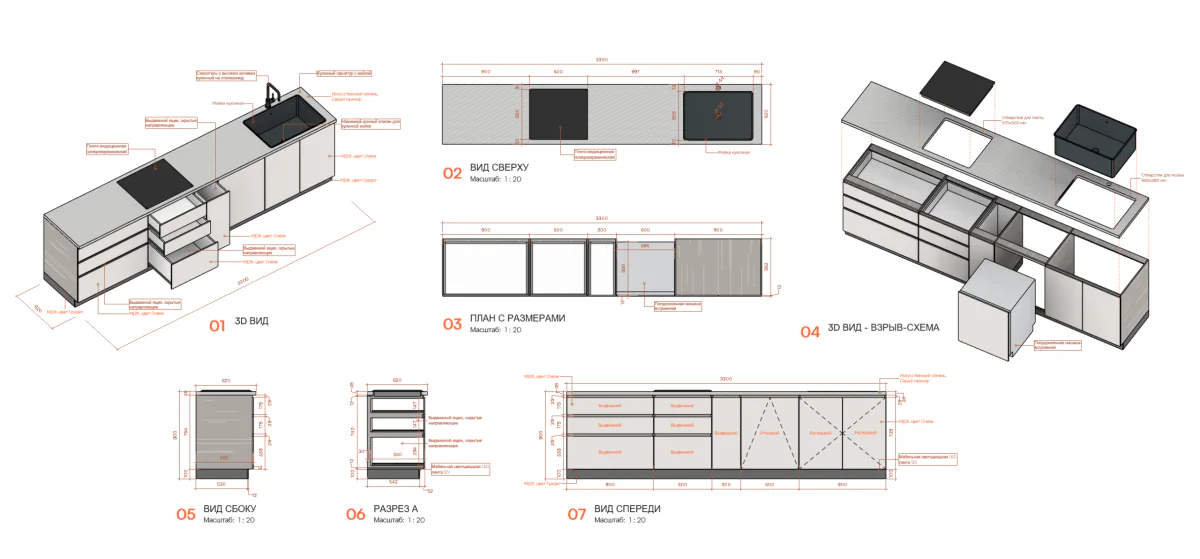
1. Prepare reliable information and property access
Provide plans, photographs, video, a list of existing furniture and your priorities. Mark measurements that have been checked and those taken from an old plan or sales listing. Identify who can clarify uncertain points and arrange access.
Room dimensions alone are not enough. Door openings, windowsills, projections and the delivery route can affect furniture choices. If work is ongoing, decide what must be measured again afterwards.
2. Agree the brief and communication process
Describe who will use the home, daily routines, storage needs and anything you want to keep. Give budget priorities and the intended order of moving in. Explain whether each reference image appeals because of its colour, material, lighting or layout.
Agree the language of meetings, where documents are stored and how decisions are approved. The studio’s interior design services in Portugal can be discussed against your brief. Keep a written record of the final decision even when the conversation takes place across several messages.
3. Approve the layout before detailed selections
Check functional zones, main furniture dimensions, circulation and door operation. Then develop the concept, materials and lighting within the agreed service. Visualisations help communicate a proposal but do not replace dimensions and product specifications.
Screen colour varies with the display and lighting. When a finish is critical, discuss checking physical samples at the property. A colour code records the choice; it does not guarantee an identical appearance in every setting.
4. Separate the design from the purchasing arrangements
Confirm the drawings, selections and schedules you will receive. If you need purchasing support, identify who checks stock, orders and pays, communicates with sellers and approves replacements. Do not assume these tasks are included because an item appears in a rendering.
Recheck availability and delivery terms before an order. Assess substitutions for dimensions, finish, total cost and compatibility with approved items, then update the shared schedule.
Who receives deliveries while you are abroad?
Appoint a contact who has access and knows the order. Agree the arrangements for storage, checking completeness and documenting issues under the seller’s terms. Delivery reception, assembly and building work are separate tasks that need named responsibility.
The Leiria furnishing diary provides a real example of purchasing and delivery coordination. Your own scope and timetable need to be agreed separately.
What to settle before starting
- Who confirms measurements and room condition?
- What decisions do you approve, and in what form?
- What is delivered at each project stage?
- Who handles orders, access and reception?
- How are changes and additional tasks approved?
If the answers are still unclear, begin with a design consultation. Send your plans and photographs to discuss remote working and the support needed on site.