

A Home Furnishing Budget in Portugal: How to Allocate Costs

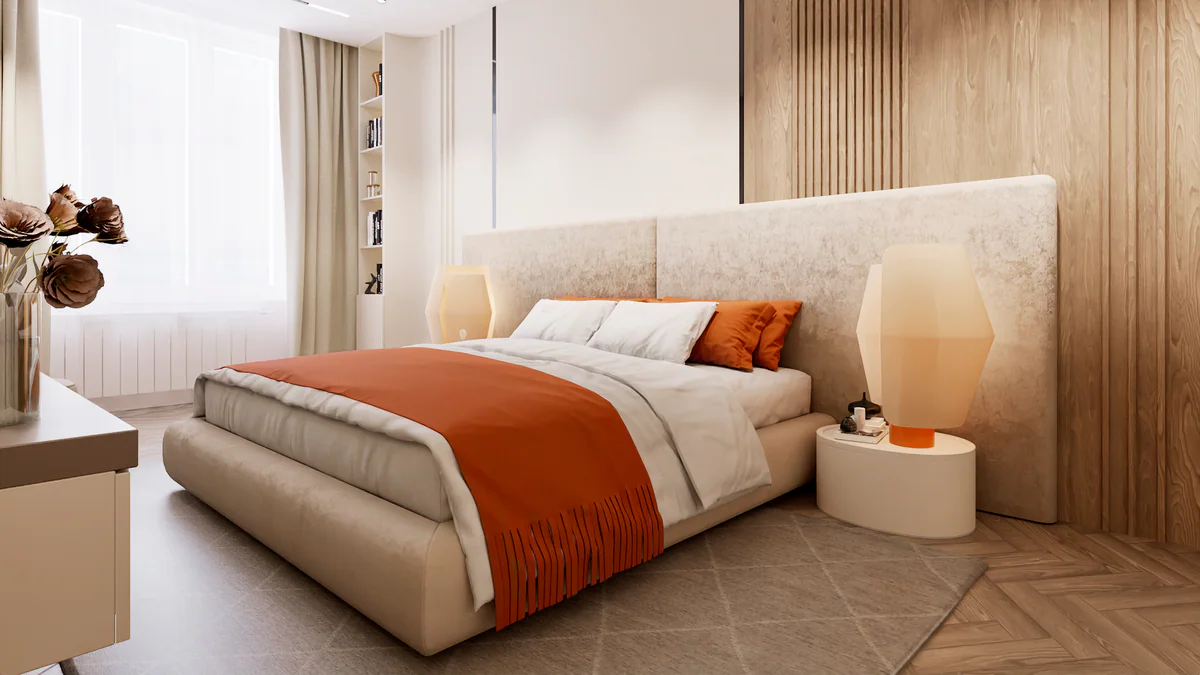
A home furnishing budget is more than the sum of furniture prices. It may include design work, other contractors’ services, equipment, textiles, delivery and assembly. Separate these costs before comparing proposals or deciding where to spend.
This guide concerns allocation by category, not a standard renovation price or a set percentage. If the budget is already agreed and you need to monitor orders, read how to manage the project and purchasing budget.
Separate professional fees from purchases
An interior design project and the furniture it proposes are different budget lines. Identify measurements, visits and additional tasks if they are outside the proposal. Other contractors, sellers and installers also need a clear scope.
For furnishing an apartment or house in Portugal, confirm the selection, ordering and supplier tasks included. Compare proposals against an equivalent list rather than their total alone.
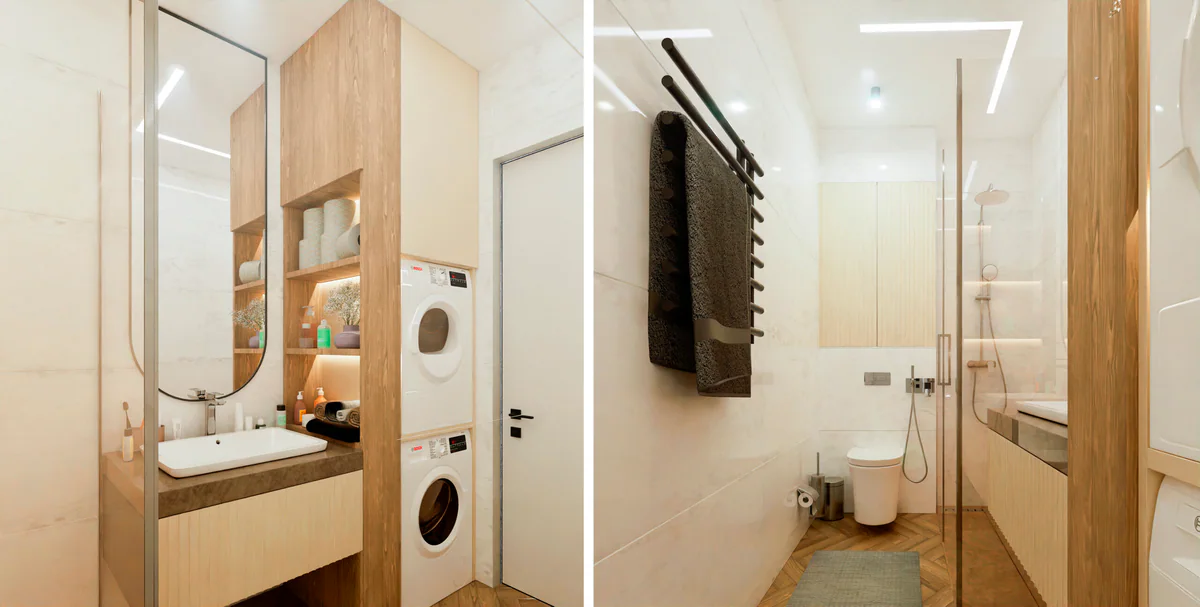
Build a table of categories
| Category | Clarify | Evidence for the amount |
|---|---|---|
| Design work | Rooms, documents, stages and revisions | A written service proposal |
| Preparation and works | Scope, materials and responsibilities | A quotation against an agreed brief |
| Furniture and equipment | Models, dimensions, finishes and quantities | Selections and seller quotations |
| Lighting and textiles | Components, measurements and making | An agreed specification |
| Delivery and assembly | Carrying, access, installation and components | The provider’s confirmed terms |
| Unresolved costs | Items needing inspection, measurements or selection | An open-questions list and appropriate contingency |
Add columns for planned, confirmed, paid and still to clarify. An early estimate and an accepted order do not have the same certainty.
Choose priorities around everyday use
Start with sleeping, cooking, working and storage. Identify daily-use items and what can wait. A suitable spend on a sofa or table depends on dimensions, use and the remaining needs of the home.
Keeping suitable existing furniture, choosing a standard size or buying decorative items later may reduce costs. Check each option against the layout, the actual product and the order terms.
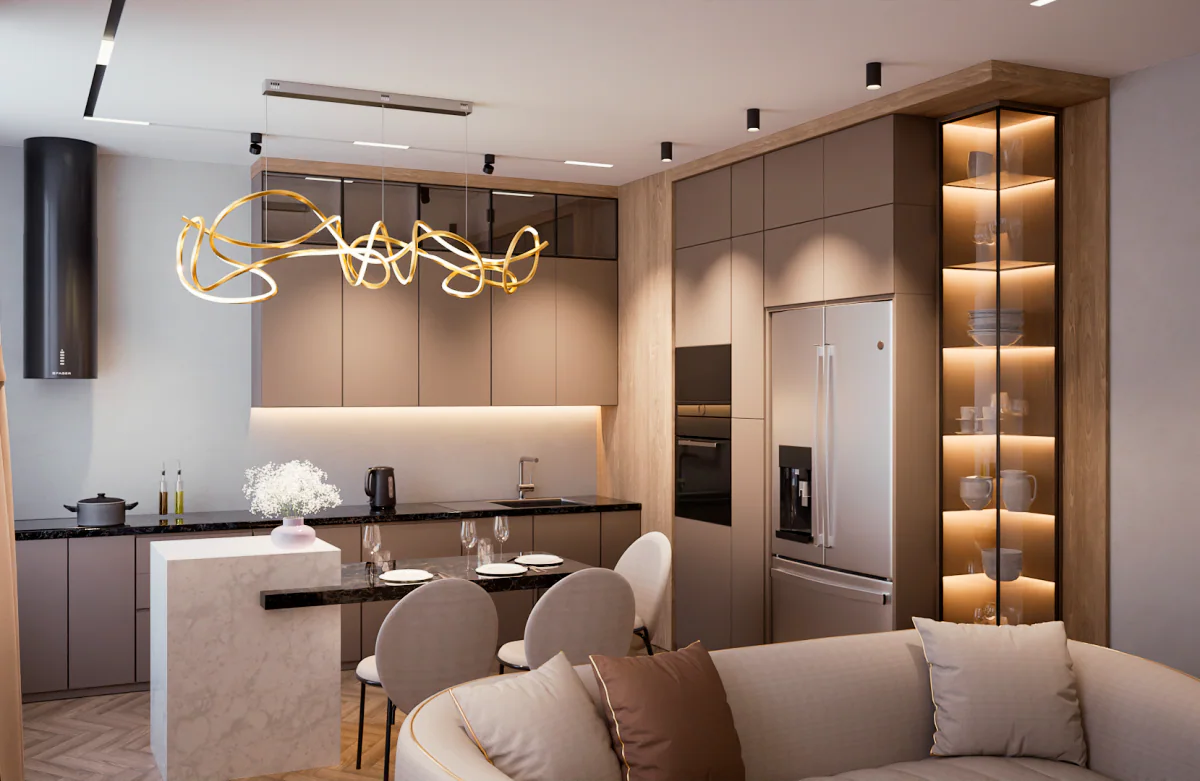
Compare complete solutions
A lower product price may require separate delivery, assembly or additional parts. Several shops can mean several deliveries. Compare the complete cost, not only the headline price.
Ask whether all required services and charges are included and what information is needed to confirm an estimate. For bespoke products, agree measurements and the precise version before ordering.
Keep necessary checks visible
Do not remove required checks, preparation or installation requirements just to make the total look smaller. Appropriate professionals need to assess technical tasks for the property. Include even small essential items such as fixings, components, measurement or assembly.
Relate contingency to the uncertainties
List unresolved condition checks, dimensions, bespoke items and unselected products. A contingency should relate to those questions. A percentage from another project does not explain the risks in yours.
Move from categories to actual orders
After allocating the budget, create an item schedule and track changes. Review furniture dimensions for a small apartment and the order of furnishing after buying a home before purchasing.
If you need help setting priorities, consider a design consultation. Send your plan and list of tasks to discuss the decisions needed before orders.